Cauda Equina Syndrome

Understanding Cauda Equina Syndrome: A Comprehensive Overview

Spinal health is a crucial aspect of overall well-being, yet many people suffer from conditions that significantly impact their quality of life. Low back pain (LBP) is incredibly common, affecting 619 million people worldwide at some point in their lives. It ranks as the leading cause of disability among adults globally and contributes significantly to lost work productivity each year. This staggering prevalence emphasizes the importance of understanding spinal health and exploring treatment options.

At the Desert Institute for Spine Care (DISC), located in the greater Phoenix, Arizona, area, patients can expect a transformative approach to spine health. As a leading orthopedic spine center, DISC specializes in innovative, cutting-edge surgical techniques and customized patient care, making it a go-to destination for individuals seeking solutions to spine-related issues.

Schedule an Appointment

man holding back in pain

What Is Cauda Equina Syndrome?

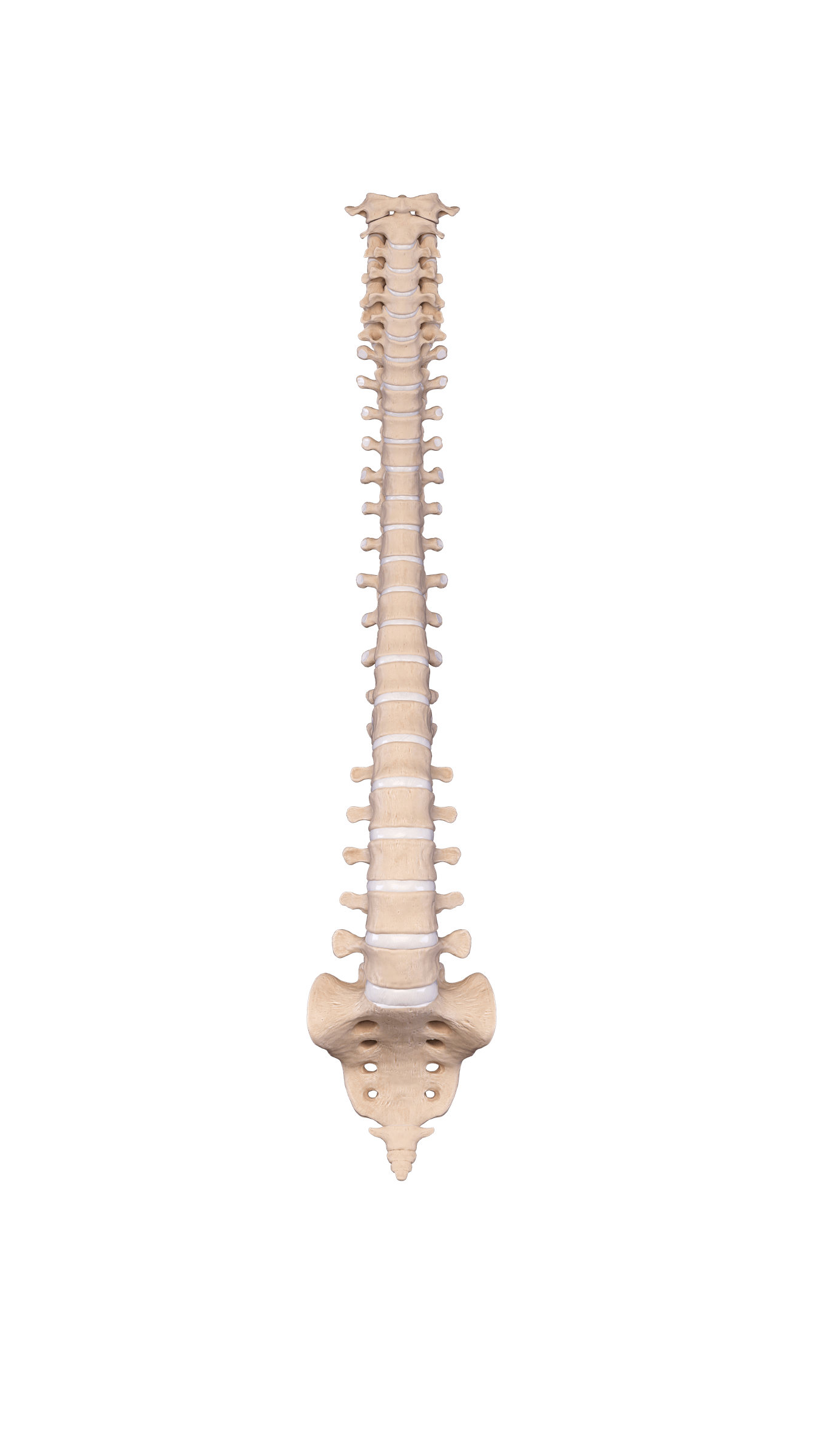
Cauda Equina Syndrome (CES), as described by the American Academy of Orthopedic Surgeons, is a rare but serious condition requiring immediate surgical intervention. It occurs when the bundle of nerve roots at the lower end of the spinal cord, known as the cauda equina, becomes compressed, disrupting movement and sensation in the legs and affecting bowel, bladder and sexual functions.

This compression can lead to significant neurological deficits and can severely impact a person’s quality of life if not treated promptly.

Cauda equina syndrome is a medical emergency that requires prompt surgical treatment. Immediate intervention is essential to relieve pressure on the nerves and prevent severe complications, such as permanent paralysis, loss of bladder or bowel control, loss of sexual sensation and chronic pain. 

If you suspect cauda equina syndrome, seek immediate medical attention by going to the nearest emergency room.

Cauda equina syndrome is a relatively uncommon condition, accounting for approximately 2–6% of lumbar disc surgeries. Its estimated occurrence in the general population ranges from 1 in 33,000 to 1 in 100,000. 

Cauda Equina Syndrome Causes

CES is most commonly caused by a massive herniated disc in the lumbar region. When a disc herniates and protrudes into the spinal canal, it can compress the dura — the tough, protective membrane surrounding the spinal cord, cauda equina and nerve roots. While CES is typically associated with large disc herniations, smaller herniations can also cause the condition in cases where the spinal canal is already narrowed — known as spinal stenosis — due to conditions like arthritis.

Several other factors can lead to the development of cauda equina syndrome, such as:

  1. Spinal lesions or tumors
  2. Spinal infections or inflammation
  3. Lumbar spinal stenosis
  4. Trauma — injuries from accidents, falls, gunshot wounds, car accidents or sports can cause direct damage to the lower spine
  5. Congenital abnormalities
  6. Spinal arteriovenous malformations 
  7. Spinal hemorrhages — subarachnoid, subdural or epidural
  8. Complications following lumbar spine surgery
  9. Spinal anesthesia

Understanding the causes of CES is crucial for prevention and early intervention. Individuals with risk factors such as previous spinal surgery, chronic back pain or a history of spinal issues should be particularly vigilant.

What Are the Symptoms of Cauda Equina?

The symptoms of CES vary depending on the severity and cause, but the condition typically involves a combination of the following:

  • Severe lower back pain: If you are unknowingly living with cauda equina syndrome, one of the symptoms can be a sudden, intense pain in the lower back, often radiating to one or both legs.
  • Leg weakness or numbness: Another key symptom is weakness, numbness or tingling in one or both legs. You may also experience difficulty walking or stumbling due to reduced leg strength.
  • Saddle anesthesia: Another key symptom is loss of sensation in areas that would touch a saddle, including the inner thighs, buttocks and genital region.
  • Bladder dysfunction: If you experience difficulty urinating or retaining urine and/or loss of bladder control — incontinence — this could be a sign you have CES. 
  • Bowel dysfunction: People may experience loss of control over bowel movements — fecal incontinence — and constipation. You could also experience difficulty emptying the bowels.
  • Sexual dysfunction: Decreased sexual sensation, erectile dysfunction or other sexual issues are other key symptoms. 
  • Sciatica: Sciatica is a sharp, shooting pain that travels from the lower back down the leg(s). It’s often due to nerve compression.

The emergency warning signs you need to look out for are:

  • Sudden or worsening symptoms
  • Inability to urinate or loss of bladder/bowel control
  • Severe weakness in the legs
  • Numbness or tingling in the groin or inner thighs

If you or someone else experiences these symptoms, it is critical to seek immediate medical attention. Cauda equina syndrome is a medical emergency, and early treatment is crucial to prevent permanent nerve damage.

Schedule an Appointment

What Are the Potential Complications of Cauda Equina Syndrome?

CES can lead to significant complications. These complications can vary in severity depending on the duration and extent of nerve compression.

Irreversible damage to the cauda equina nerves can occur, resulting in long-term deficits and neurological complications. Another complication is persistent weakness in the legs or even paralysis due to nerve dysfunction. Chronic pain is persistent lower back pain, radicular pain or neuropathic pain in the lower extremities.

Bladder and bowel dysfunction is a significant complication of cauda equina syndrome. It can manifest as urinary retention or incontinence, characterized by the inability to control the bladder, leading to incontinence or chronic urinary retention. 

This increases the risk of urinary tract infections and kidney damage due to incomplete bladder emptying. Fecal incontinence or constipation may occur, resulting from impaired nerve signals that lead to a loss of bowel control or chronic constipation.

There are three types of sexual dysfunction:

  1. Erectile dysfunction: This is a loss of erectile function in men due to nerve compression.
  2. Loss of sensation: Patients notice a decreased sensation in the perineal and genital areas, affecting sexual function and pleasure.
  3. Arousal and orgasm issues: The final type involves difficulty achieving arousal or orgasm in men and women.

CES can cause emotional distress resulting from chronic pain, disability or loss of independence. People may experience difficulty performing daily tasks or participating in work and social activities due to physical limitations.

Musculoskeletal complications are common in cauda equina syndrome, significantly affecting mobility and strength. Gait disturbances often occur, making it difficult to walk or maintain balance, sometimes necessitating assistive devices. Additionally, muscle atrophy may develop, resulting in the wasting of muscles in the lower extremities due to disuse or nerve damage, further limiting physical function.

Patients with cauda equina syndrome are at risk of developing additional health complications. Pressure sores can occur in cases of immobility, leading to painful and potentially serious skin injuries. Infections, such as urinary tract infections, are more likely due to bladder dysfunction and incomplete emptying, further compromising the patient’s health.

How Is Cauda Equina Syndrome Diagnosed?

The diagnosis of cauda equina syndrome begins with a clinical evaluation that includes assessing the patient’s symptoms and conducting a neurological examination. A neurological examination involves assessing lower limb strength, sensation, and reflexes, as well as evaluating perianal sensation and sphincter tone to identify any abnormalities.

Schedule an Appointment

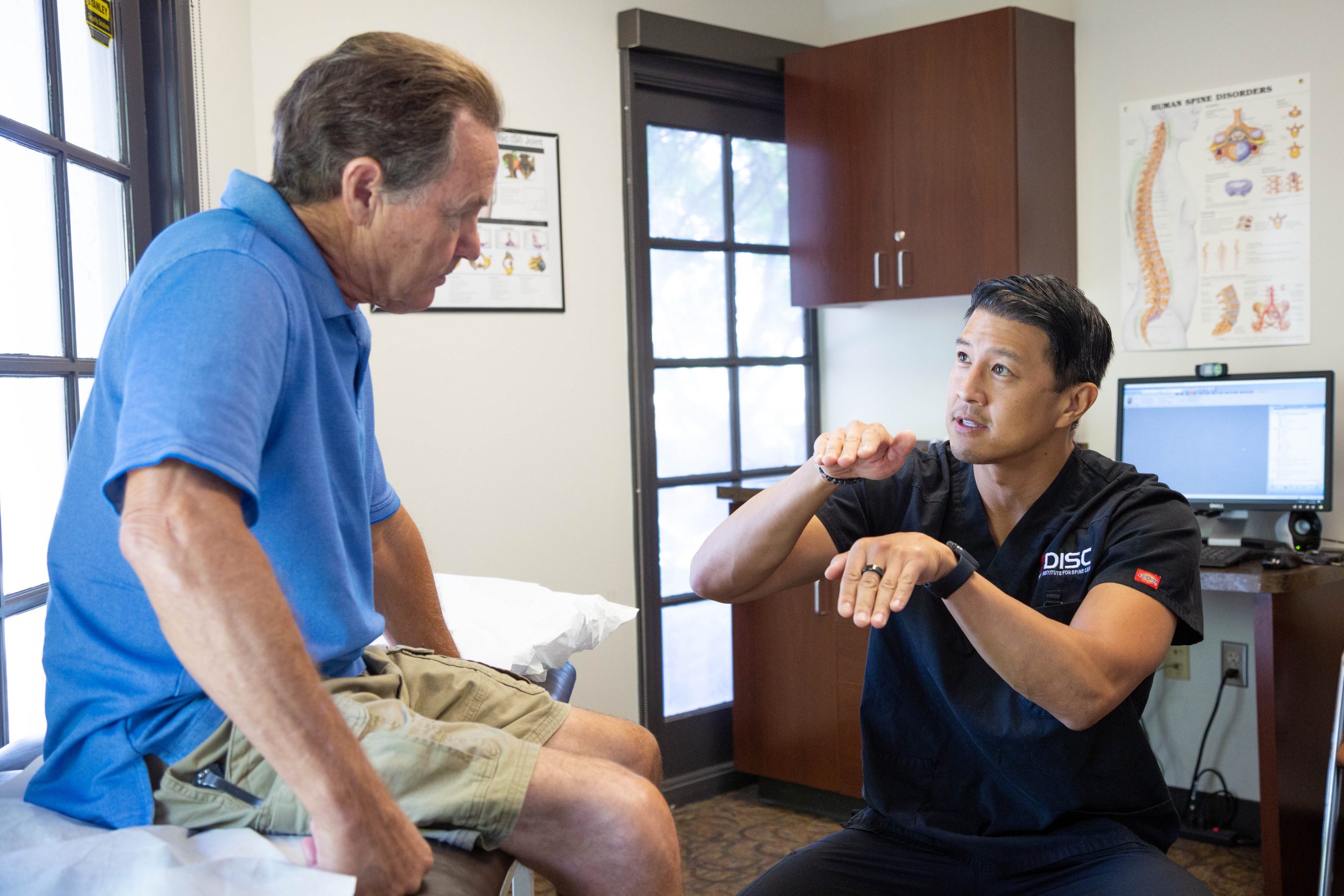
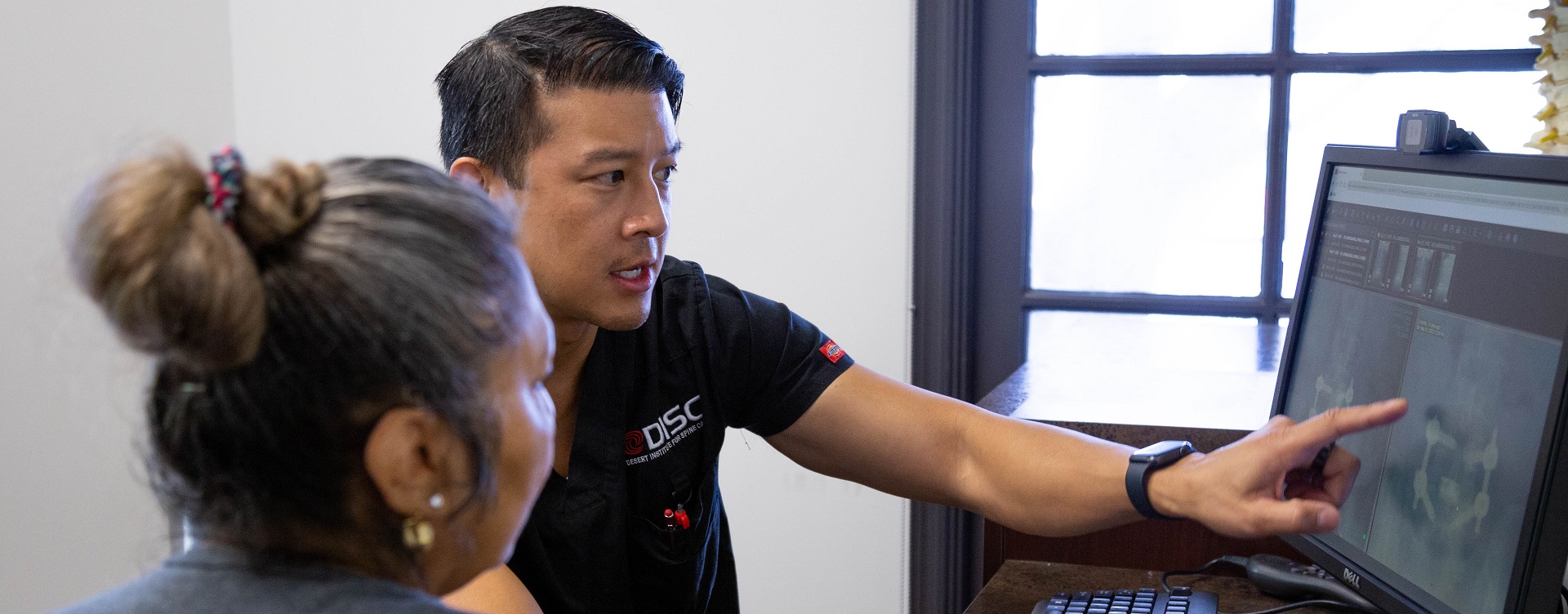
Dr. Wang Explaining Spine Condition to Patient

Patient History

A thorough patient history is crucial to understanding the onset and progression of symptoms. Important aspects include any recent trauma or injury to the spine, a history of conditions such as herniated discs or spinal stenosis, and details of previous spinal surgeries or interventions. This information helps identify potential causes of the symptoms and guides further diagnostic steps.

Imaging studies are central to diagnosing CES, with magnetic resonance imaging (MRI) being the gold standard. MRI provides detailed images of the spinal cord, cauda equina nerves and any compression caused by herniated discs, tumors, infections or other abnormalities. 

If an MRI is unavailable or contraindicated due to implanted metal devices, a computed tomography (CT) scan may be used, often with a myelogram to enhance visualization. X-rays can also identify bony abnormalities, fractures or alignment issues but are less specific than MRI or CT scans.

Additional tests may be used to confirm the diagnosis or assess related complications. A bladder ultrasound helps evaluate urinary retention by measuring post-void residual volume, while electromyography (EMG) may be employed in some cases to assess nerve function and confirm the extent of nerve damage.

The symptoms of CES can overlap with those of other conditions, such as lumbar radiculopathy, peripheral neuropathy or spinal cord injury. A thorough evaluation, including imaging and clinical findings, is essential to distinguish CES from these conditions and ensure appropriate treatment.

Cauda equina syndrome is a medical emergency that requires prompt diagnosis and treatment. If CES is suspected, the doctor will perform urgent imaging — typically an MRI — to confirm the diagnosis. Surgical decompression is often recommended to relieve pressure on the nerves as soon as possible. 

Timely intervention is critical to improving outcomes and preventing long-term complications such as permanent nerve damage, paralysis or incontinence.

Cauda Equina Syndrome Treatment

CES is a medical emergency that requires prompt treatment to prevent permanent neurological damage and improve patient outcomes. Treatment typically involves a combination of surgical intervention, medical management and rehabilitation to address the underlying cause and manage symptoms.

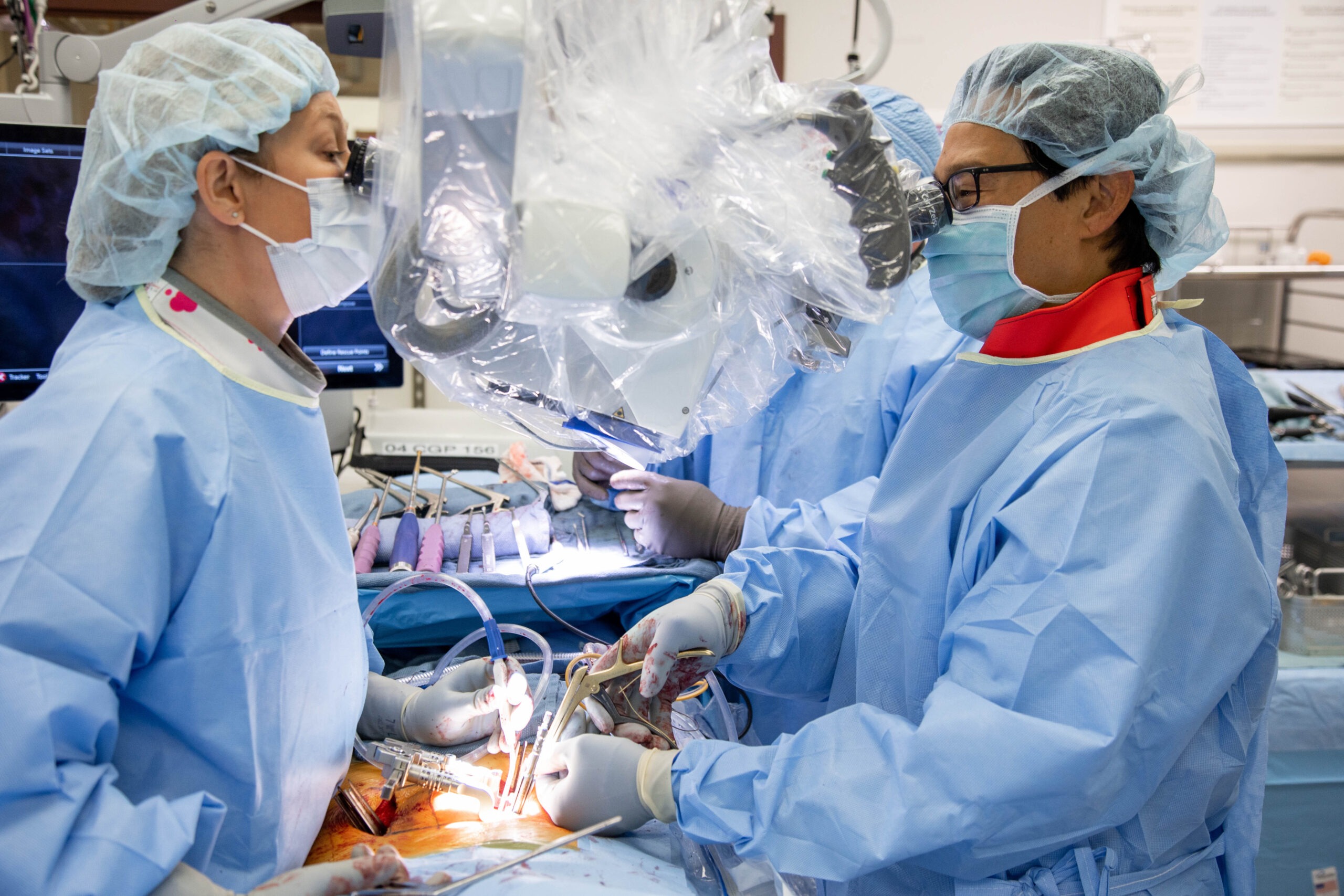
At DISC, the treatment for CES primarily focuses on relieving nerve compression. Surgeons may employ various minimally invasive techniques, such as laminectomy or discectomy, to alleviate the pressure. The goal is to restore function and comfort while minimizing recovery time. Minimally invasive spine surgery can treat spinal stenosis, tumors, herniated discs, pinched nerves and sciatica.

Emergency Surgical Intervention

The cornerstone of CES treatment is urgent surgical spinal decompression, which aims to relieve pressure on the cauda equina nerves. Surgery is most effective within 24-48 hours of symptom onset. Delayed surgery significantly increases the risk of permanent complications.

The procedures you can have are:

  • Laminectomy: This procedure involves the removal of part of the vertebral bone — lamina — to decompress the affected nerves.
  • Discectomy: Discectomy removes herniated disc material pressing on the cauda equina.
  • Removal of tumors or Infections: Surgical removal or drainage is necessary for CES caused by spinal tumors or abscesses.

Medical Management

After surgery, medical management is critical to address residual symptoms and underlying causes:

  • Infections: Antibiotics are administered for cases caused by spinal infections such as abscesses.
  • Inflammation: Corticosteroids may be prescribed to reduce nerve inflammation and swelling.
  • Pain management: Analgesics and neuropathic pain medications like gabapentin alleviate pain.
  • Bladder and bowel care: Catheterization may be necessary for urinary retention. Laxatives or stool softeners can help manage bowel dysfunction.
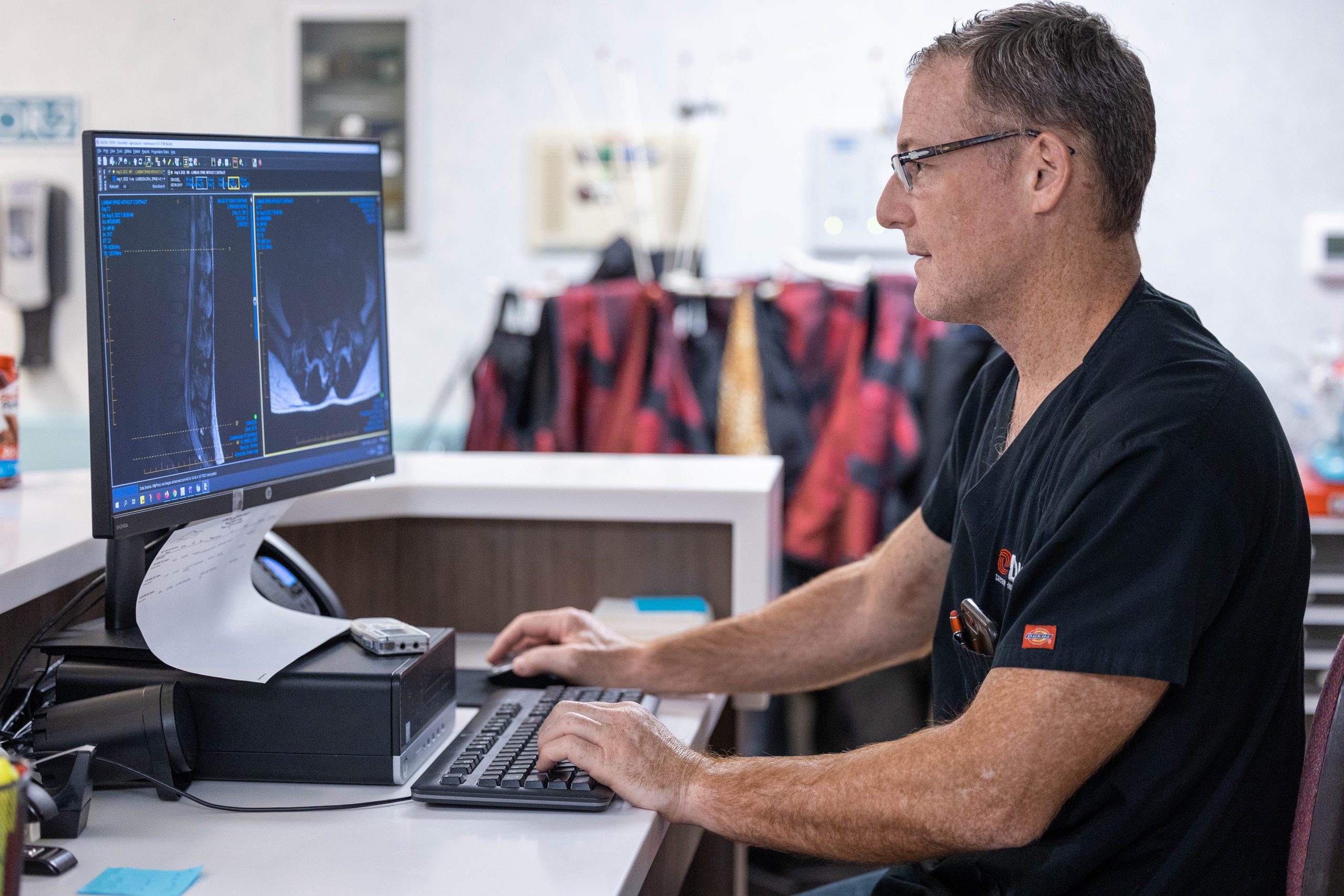
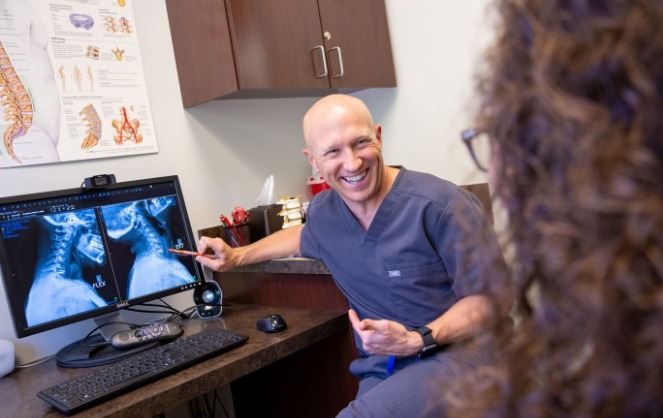
Dr. Fields reviewing Xray

Rehabilitation and Physical Therapy

Rehabilitation plays a vital role in improving function and quality of life after surgery:

  • Physical therapy: Patients in physical therapy will do strengthening exercises for the lower extremities, as well as gait training to improve mobility and balance. Assistive devices like walkers and braces may be used temporarily.
  • Occupational therapy: This therapy style helps patients regain independence in daily activities.
  • Pelvic floor therapy: Pelvic floor therapy involves specialized exercises to restore bladder and bowel control.

Treatment Options and Technologies

When considering surgical options, many patients may encounter various technologies, including radiofrequency and laser techniques. Notably, radiofrequency has proven to be safer than laser treatments. Current studies do not demonstrate that using a laser during spine surgery yields better outcomes than traditional methods. It’s crucial to note that the appropriateness of laser technology in spine surgery depends on a patient’s specific condition and medical history.

Misinformation can lead to unnecessary anxiety and confusion. One common myth is that all spinal surgeries are invasive and require long recovery times. In reality, many patients benefit from minimally invasive techniques that reduce pain and expedite recovery. 

Additionally, some believe that laser surgery is universally superior to traditional methods. As mentioned earlier, this is not supported by current research, which indicates that traditional spine surgery techniques remain effective and, in many cases, safer.

The experienced team at DISC understands surgery can be daunting for many patients. We prioritize patient education and involvement in the decision-making process, ensuring individuals feel comfortable and informed before proceeding with any treatment. If surgery is not the right option for you, DISC also emphasizes non-operative treatments and rehabilitation to support your recovery journey.

Schedule an Appointment

Doctors Talking with Patients

See What Our Patients Are Saying!

Don’t just take our word for it. See what patients of DISC are saying about their experiences with our highly-skilled spine surgeons.

4.8
16,602 Reviews

How Soon Can One Expect to Feel Better After Treatment?

Recovery after spinal decompression surgery, such as a lumbar laminectomy or discectomy, typically takes around 4-6 weeks, though this timeline varies based on individual factors like age, overall health and the underlying cause of nerve compression. 

During this period, patients gradually increase their activity levels as the surgical incision heals and stitches are removed. Those with sedentary jobs that require minimal physical exertion may return to work within about four weeks, while individuals with physically demanding roles may require up to four months of recovery before resuming their duties.

Surgical healing is only one component of recovery from cauda equina syndrome. The damaged nerves must also repair themselves, a process that often extends well beyond the healing of the incision. Nerve recovery can take months and, in some cases, years. 

Patients experiencing lingering issues such as leg weakness, instability, or difficulties with bowel and bladder control may benefit from physical or occupational therapy. Assistive devices like walkers or canes and bladder retraining programs can be critical in facilitating daily activities and improving quality of life during this recovery period.

Additional strategies may be necessary for patients with severe and persistent nerve damage. These can include self-catheterization and bowel management techniques while awaiting nerve regeneration, which may take 18 months to two years or longer. In certain cases, the damage may be permanent, requiring patients to adopt adaptive devices or support systems to maintain their independence.

Despite these challenges, with prompt and comprehensive treatment, many individuals with cauda equina syndrome regain significant function in their legs and lower body. By working closely with experienced specialists, patients can receive personalized care plans tailored to their unique needs, enabling them to achieve the best possible recovery outcomes.


Outlook and Prognosis for Cauda Equina Syndrome

The outlook for CES largely depends on the timing of diagnosis and treatment, the severity of nerve compression and the extent of damage before intervention. CES is a medical emergency, and early surgical decompression, ideally within 24-48 hours of symptom onset, is critical for improving the prognosis and minimizing long-term complications.

The positive prognostic factors include:

  • Early intervention: Patients treated promptly often experience significant recovery in leg strength, mobility and pain reduction.
  • Partial symptoms at presentation: Individuals who still have some level of bladder or bowel function and less severe sensory loss at the time of diagnosis are more likely to recover fully.
  • Young age and good health: Younger patients with better overall health tend to have a more favorable prognosis.

Regaining leg strength and pain recovery often begin within days to weeks after surgery and continues to improve over several months. Bladder and bowel function, however, may take longer to recover — often several months to a year — and may not always return to pre-symptom levels.

Nerve regeneration is a slow process. In some cases, residual symptoms, such as mild numbness or weakness, may persist. Recovery timelines can range from a few months to up to two years.

While many patients experience meaningful improvement, some may have lasting deficits due to permanent nerve damage, especially if there is a delay in diagnosis or treatment. These can include:

  • Chronic pain: Persistent lower back or radicular pain may require ongoing management.
  • Bladder and bowel dysfunction: Some individuals may experience permanent incontinence or require techniques like self-catheterization or bowel management strategies.
  • Sexual dysfunction: Nerve damage can lead to reduced sensation and difficulties with arousal or function.
  • Mobility issues: Weakness or instability in the legs may result in a need for assistive devices like braces, walkers or canes.

Despite the potential for lasting complications, many patients adapt well to appropriate rehabilitation and support. Physical and occupational therapy plays a vital role in maximizing recovery and enabling patients to regain independence. Psychological support is equally important to address the emotional and mental health challenges associated with chronic symptoms.

Key Takeaway for Cauda Equina Syndrome

The prognosis for cauda equina syndrome is highly variable and depends on timely treatment and the degree of initial nerve damage. Early surgical intervention and a comprehensive, personalized recovery plan — including rehabilitation and ongoing medical support — can significantly improve outcomes and help patients regain function and quality of life.

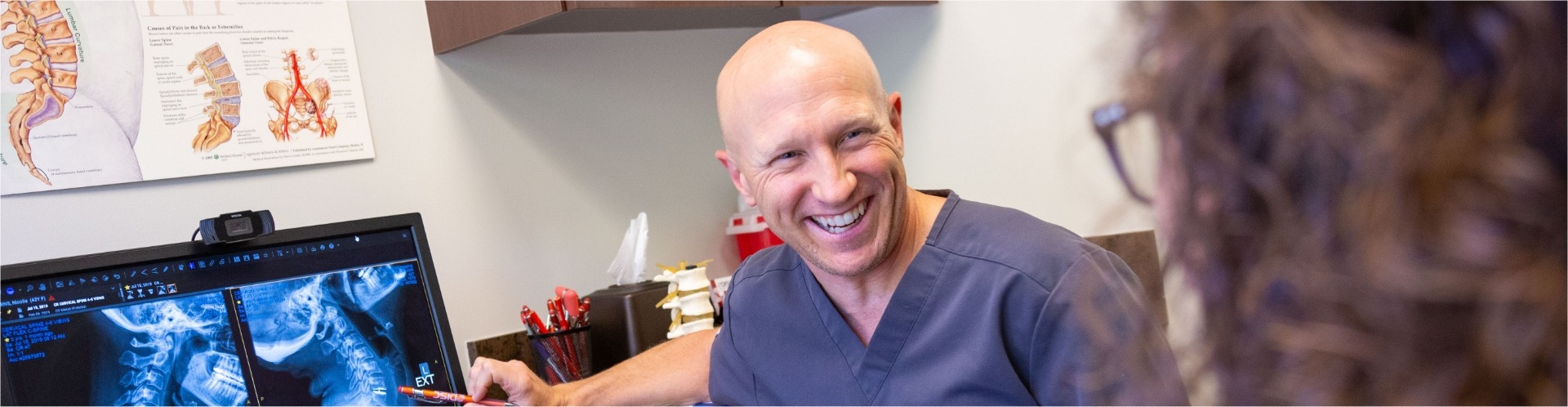
Dr Abrams explaining spine x-ray Dr. Abrams laughing

Take Control of Your Spine Health Today!

Desert Institute for Spine Care stands as a beacon of hope for those dealing with spine issues, including cauda equina syndrome. With a focus on innovative, minimally invasive treatments, compassionate care and a commitment to patient education, DISC helps restore active lifestyles for individuals of varying ages. We encourage you to do research into various spinal surgery options to help you settle on one.

If you need expert care in Phoenix, DISC is ready to support you every step of the way. Schedule your consultation today and take the first step toward a pain-free future, or fill out the lead form to find out more. Our surgical specialists are the best at what they do and are leaders in minimally invasive spine care. 

ENJOY LIFE AGAIN!

Our spine health blog features up-to-date spine education and expert spine tips from our spine specialists here at DISC.

Actionable Sciatica Tips for Increased Relief
December 9, 2025

Actionable Sciatica Tips for Increased Relief

Desert Institute for Spine Care logo
November 13, 2025

DISC Surgeons Named 100 Best Doctors in AZ 2026

Evolution and Legacy of Endoscopic Spine Surgery
October 10, 2025

Evolution and Legacy of Endoscopic Spine Surgery

Sciatic Nerve Ice or Heat Therapy: A Guide to Effective Pain Relief
October 10, 2025

Sciatic Nerve Ice or Heat Therapy: A Guide to Effective Pain Relief

Standing Tall: A Spine Surgeon’s Guide to Beating Back Pain on Your Feet
September 3, 2025

Standing Tall: A Spine Surgeon’s Guide to Beating Back Pain on Your Feet

August 6, 2025

DISC Surgeons Awarded – America’s Leading Doctors for 2025

Celebrating Excellence: Drs. Chris Yeung, Justin Field, and Nima Salari Named America’s Leading Doctors 2025 We are thrilled to announce that Drs. Chris Yeung, Justin Field, and Nima Salari have been recognized among America’s Leading Doctors 2025! This prestigious honor highlights their exceptional expertise and dedication to advancing healthcare in their respective specialties. Publication Date: […]

July 16, 2025

Congratulations Dr. Field

Congratulations to Dr. Justin Field on recently passing the milestone of 25 patients treated with Barricaid, a pioneering annular closure device (ACD) and earning the distinction of Barricaid Gold Center of Excellence! This 50 year old female patient is a flight attendant who suffered a disc herniation at L5-S1. Dr. Field performed a discectomy with Barricaid to relieve […]

Endoscopic spine system
July 11, 2025

Selecting the Ideal Spine Surgeon for Endoscopic Spine Surgery

Learn-More-About-Pinched-Nerves-From-the-Experts
April 4, 2025

What Is a Pinched Nerve?

A pinched nerve, also known as radiculopathy in medical terms, is a condition in which one or more nerves are compressed or “pinched” and unable to function properly. This happens when the nerve suffers from too much pressure caused by surrounding tissues, such as bones, muscles, cartilage and tendons. Nerves function like electrical cables, transmitting signals between the brain, spinal cord and the rest […]

Desert Institute for Spine Care logo
November 13, 2025

DISC Surgeons Named 100 Best Doctors in AZ 2026

August 6, 2025

DISC Surgeons Awarded – America’s Leading Doctors for 2025

Celebrating Excellence: Drs. Chris Yeung, Justin Field, and Nima Salari Named America’s Leading Doctors 2025 We are thrilled to announce that Drs. Chris Yeung, Justin Field, and Nima Salari have been recognized among America’s Leading Doctors 2025! This prestigious honor highlights their exceptional expertise and dedication to advancing healthcare in their respective specialties. Publication Date: […]

July 16, 2025

Congratulations Dr. Field

Congratulations to Dr. Justin Field on recently passing the milestone of 25 patients treated with Barricaid, a pioneering annular closure device (ACD) and earning the distinction of Barricaid Gold Center of Excellence! This 50 year old female patient is a flight attendant who suffered a disc herniation at L5-S1. Dr. Field performed a discectomy with Barricaid to relieve […]

Top Doctors castle Connelly
April 5, 2024

Castle Connolly’s National Top Doctor 2024

Desert Institute for Spine Care logo
February 13, 2024

Congratulations to DISC’s surgeon Dr. Nima Salari – “Top Doctor for 2024” list. 

Award for Dr. Wang Being Named to Top Doctors 2024
February 8, 2024

Dr. Wang Receives Top Doctor 2024 Award

Desert Institute for Spine Care logo
February 6, 2024

DISC Surgeons Named 100 Best Doctors in AZ

Dr. Nima Salari, Chris Yeung, and Justin Field
March 6, 2023

DISC Surgeons Named 2023 Top Docs

Congratulations to DISC’s surgeons, Christopher Yeung, Justin Field, and Nima Salari, for being chosen as Phoenix Magazine’s TOP DOCTOR in 2023.

Endoscopic Spine Symposium Blue Flyer
January 16, 2023

Join Dr. Nima Salari at Amplify Surgical’s 2nd Annual Endoscopic Spine Symposium

Register today for Amplify Surgical’s 2nd Annual Endoscopic Spine Symposium, featuring dualPortal™ and dualX® System on March 4, 2023.