What Condition Does It Treat?
A lumbar Microdiscectomy is the gold standard procedure primarily used to treat specific conditions of the spine, particularly those affecting the lumbar (lower) region. The conditions it commonly addresses include:
Lumbar Herniated Disc: When the inner gel-like core of a lumbar intervertebral disc (nucleus pulposus) protrudes through the outer fibrous ring (annulus fibrosus), it can compress nearby spinal nerves, causing pain, numbness, or weakness. This condition is often referred to as a slipped or ruptured disc.
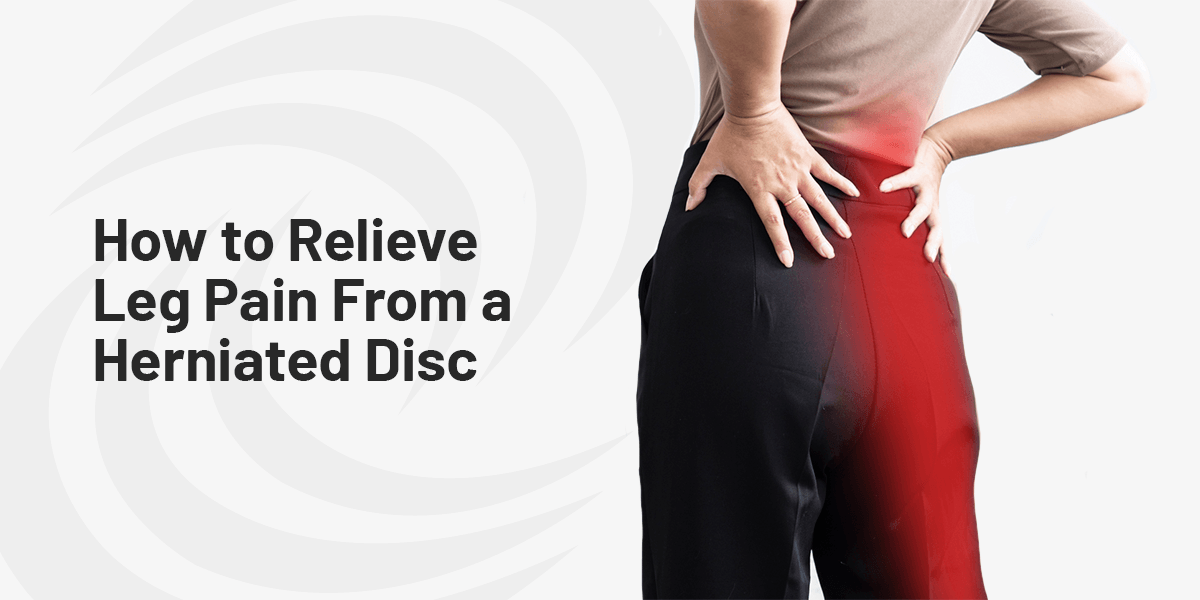
Sciatica: This condition is characterized by pain that radiates along the sciatic nerve, which runs from the lower back through the hips and buttocks and down each leg. It is typically caused by a herniated disc compressing a nerve root.
Cauda Equina Syndrome: A rare but serious condition where a large disc herniation compresses the bundle of nerves at the end of the spinal cord (cauda equina). This can cause severe pain, numbness, and potential loss of bowel or bladder control, and is considered a medical emergency.
Radiculopathy: This term refers to pain, numbness, tingling, or weakness radiating from the spine into the extremities, usually due to nerve root compression. In the lumbar region, this often manifests as pain down the legs.
Recurrent Disc Herniation: In some cases, a previously herniated disc may herniate again after initial treatment. A lumbar microdiscectomy may be necessary if conservative treatments fail to relieve symptoms.